I HEAR THE OLD SOUND OF THE WORLD’S FUTURE
Exhibition and Research Project
Mohamed-Ali Ltaief
05.07.2026 — 24.04.2026
B7L9 Art Centre Tunis
The Kamel Lazaar Foundation is pleased to present the exhibition “I Hear The Old Sound of The World’s Future” by Berlin-based Tunisian artist Mohamed-Ali Ltaief at B7L9 Art Centre.
The exhibition considers the profound connections between sound, memory, and histories by revisiting early 20th-century North African sonic archives and listening to the stories they hold. Through his research, Ltaief investigates colonial-era sound recordings produced by the Prussian Phonographic Commission between 1915 and 1918. These archives contain the vocal recordings of North African prisoners held in German war camps. Today, these sound collections are stored across institutions such as the SMB museums in Berlin and Ennejma Ezzahra in Tunis and in different counter-archives. By returning to these fragmented archives and the lives behind them, the artist foregrounds overlooked histories and voices.
The exhibition engages a multi-channel video installation, giving space for sound to become spatial, visual, and performative, opening new ways of entangling with these testimonies. The opening will take place on Friday, April 24, at 6:00 PM, and the exhibition will run until July 5, 2026. "I Hear The Old Sound of The World’s Future" invites the audience to listen differently, recognizing how sound carries memory through time and continues to echo today.
B7L9 Art Centre Tunis
Coproduced with Archipel —International festival of musical creation Geneva
A project conceived by Mohamed Ali Ltaief
Sound: Lamin Fofana
Over the last three years, together with artists, performers, thinkers, musicians and comrades, we have been reentangling the histories of sound and music recording in North Africa, Sub-Saharan countries and in the diaspora during the first decade of the twentieth century.
The ongoing research has been built step by step, sound upon sound, through intensivecollaboration with those who worked closely with Mohamed Ali Ltaief. After coming to fruition in Tunisia, the project continued to grow by connecting with a range of collaborative hosts; Ennejma Ezzahra in Tunis, Berliner Phonogramm-Archiv, Lautarchiv der Humboldt-Universität zu Berlin, Institute for Contemporary Publishing Archives (IMEC) and in different counter-archives.
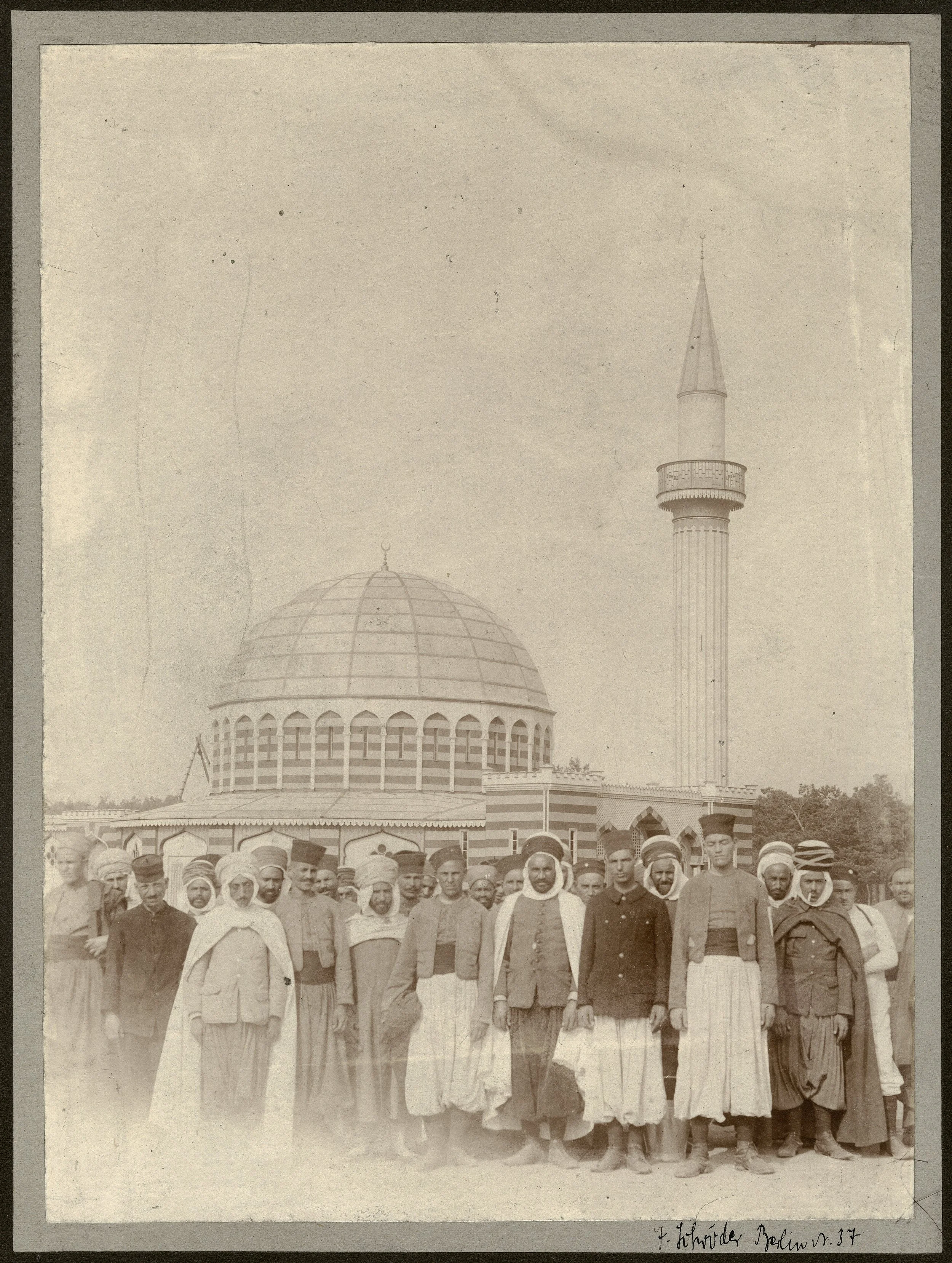
The project investigates the legacy of the North African sound archive collections recorded by European music labels and the Prussian Phonographic Commissions, in Germany and North Africa during the first decade of the 20th century. Specifically, it retraces the early phonogram sound archives that were commissioned and classified during the 1910s, and are today stored dispersed, in part at the Berliner Phonogramm-Archiv, Lautarchiv der Humboldt-Universität zu Berlin, the Ethnologisches Museum in Berlin and in part at the Ennejma Ezzahra in Tunis (CMAM), as well as in various counter-archives. These sound archives include prompt ethnographic recordings made by the Prussian Phonographic Commission, founded by Wilhelm Doegen, with a group of philologists, linguists and ethno-musicologists who captured the voices of colonial subjects imprisoned in war camps across Germany, producing approximately 1,650 shellac recordings made between 1915 and 1918. Some of these prisoners were Tunisians, such as ‘Sadok Ben Rachid HAJ YOUSSEF’. The Weltarchiv (Imperial World Archive) continues today to retain the vocal traces of Muslim prisoners of war.
These early recordings contain the echoes of Asian and African prisoners of war held in these camps, including their refusals, muffled laughter and quiet refrains. Still, these shellac records are stored at the Humboldt Forum's Lautarchiv in the German capital, constituting an archival register of African, Asian, and European languages recorded under the auspices of German imperial knowledge production.Ltaief revives fragmented biographies and foregrounds sonic expressions by shifting the sound testimonies into a spatialised, visual and performative practice. The components of the project include a multi-channel video installation, ceramic artwork, archival display and diagrams printed on fabric retracing the histories of phonographic recording in the Arab world and across the diaspora.
Presentiment, for Halbmondlager
By Naima Hassan
Unpainted in mourning; they drench the earth black, dripping blood-red through their musk-laden hair
— Al-Mutanabbi, Elegy for the Son of Sayf al-Dawla (338 AH)
A voice gathers itself in speech, belonging to a farm worker and popular poet. Born in 1889 in Monastir, Tunisia, Sadok Ben Rachid Haj Youssef was conscripted into the North African forces of the French colonial army in 1914 and later taken prisoner by German forces. In May 1916, Youssef sat before a gramophone stationed in Halbmondlager, a prisoner-of-war camp built in 1915 south of Berlin, and sang in a form of Arabic lament.
Before the gramophone’s whistle sounds, marking the end of the recording, Youssef’s cry of poetry moves toward the edge of language and continues beyond it: Oh my God, help me. These words must not be received as petition, but as an address in the direction of the sacred—a cry that expects no answer, not because it despairs of God, but because it has passed beyond the distinction between answer and non-answer. It declares a form of faith that exceeds the Royal Prussian Phonographic Commission’s strategy of coercive recording. The shellac disc, catalogued as PK 257, was transferred from Wünsdorf to the Friedrich Wilhelm University in Berlin. Elsewhere, another vocal register gathers. File PK 1/860 registers the first of five recordings made of Somali civilian internee Mohamed Nur at Ruhleben internment camp, west of Berlin. Recorded in April 1917, the disc runs for one minute and forty-five seconds. The accompanying Personalbogen (personal files) notes that Nur performs a mocking song about the “crazy Molla,” sung continuously without interruption. Born in Berbera, Somaliland, Nur was a learned teacher and poet who had served as a member of a religious-diplomatic delegation to the Somali leader Abdallah Hasan before being brought to Germany as part of an ethnographic troupe. When war was declared, Nur was interned at Ruhleben as an enemy subject, classified according to the nationality of the empire that had colonised his homeland, as though British possession could travel with him and continue to define him on the far side of a European war he had not caused.
From Ruhleben, Nur was invited to work as a language assistant at the Institute for Colonial Languages, where his knowledge of Somali oral poetic traditions, their metres, their sacred forms, their memory, was drawn out through prolonged collaboration into a grammar of the Somali language, published in 1925 as a dissertation under the name of Maria von Tiling. Who in grief hears them sing—and feels not that sorrow lifts, but that it is given a form in which it may endure: a widening, as though grief, when sung, becomes a space one may enter without being undone, a space in which the body’s knowledge of loss is neither denied nor overwhelmed, but carefully housed?

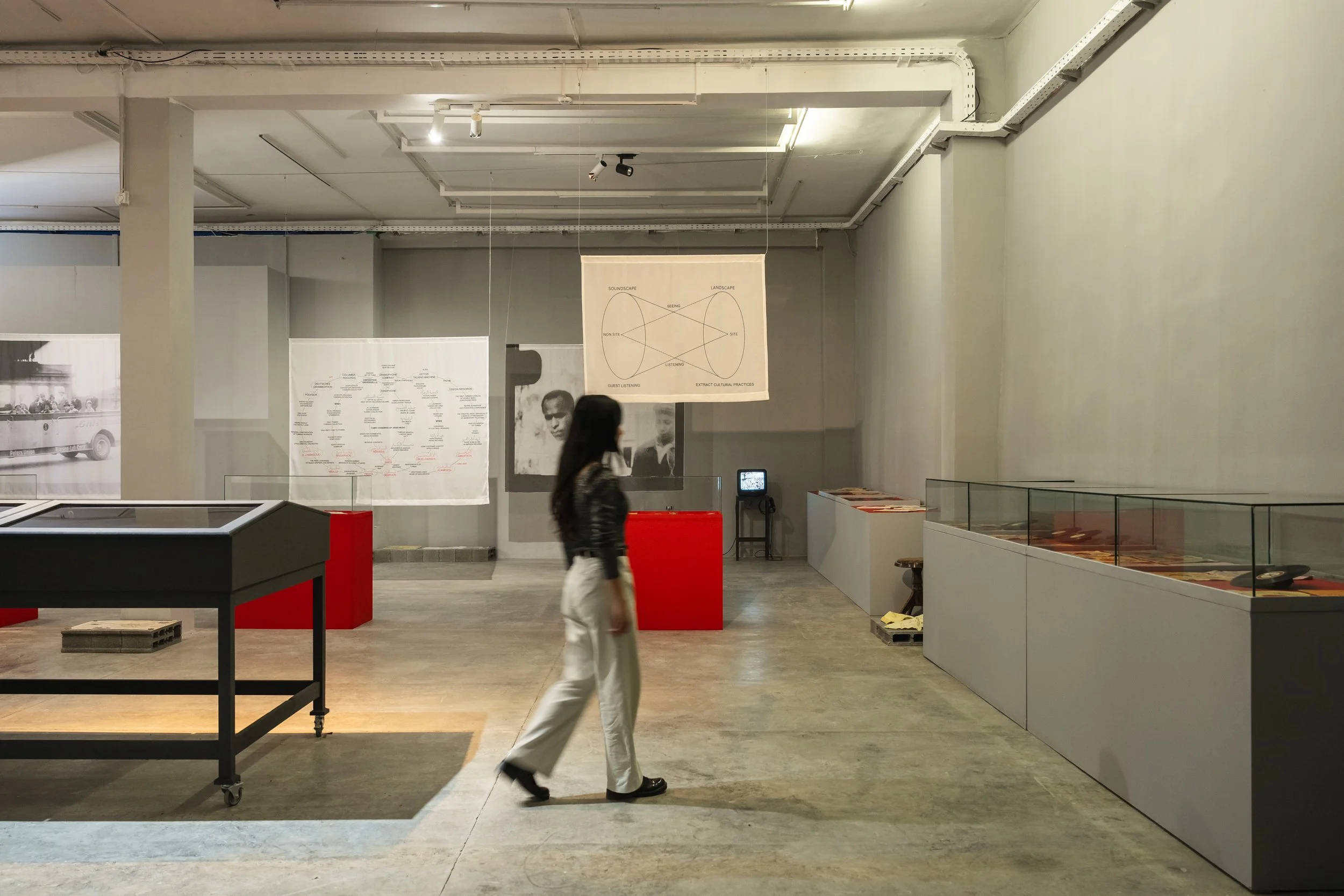
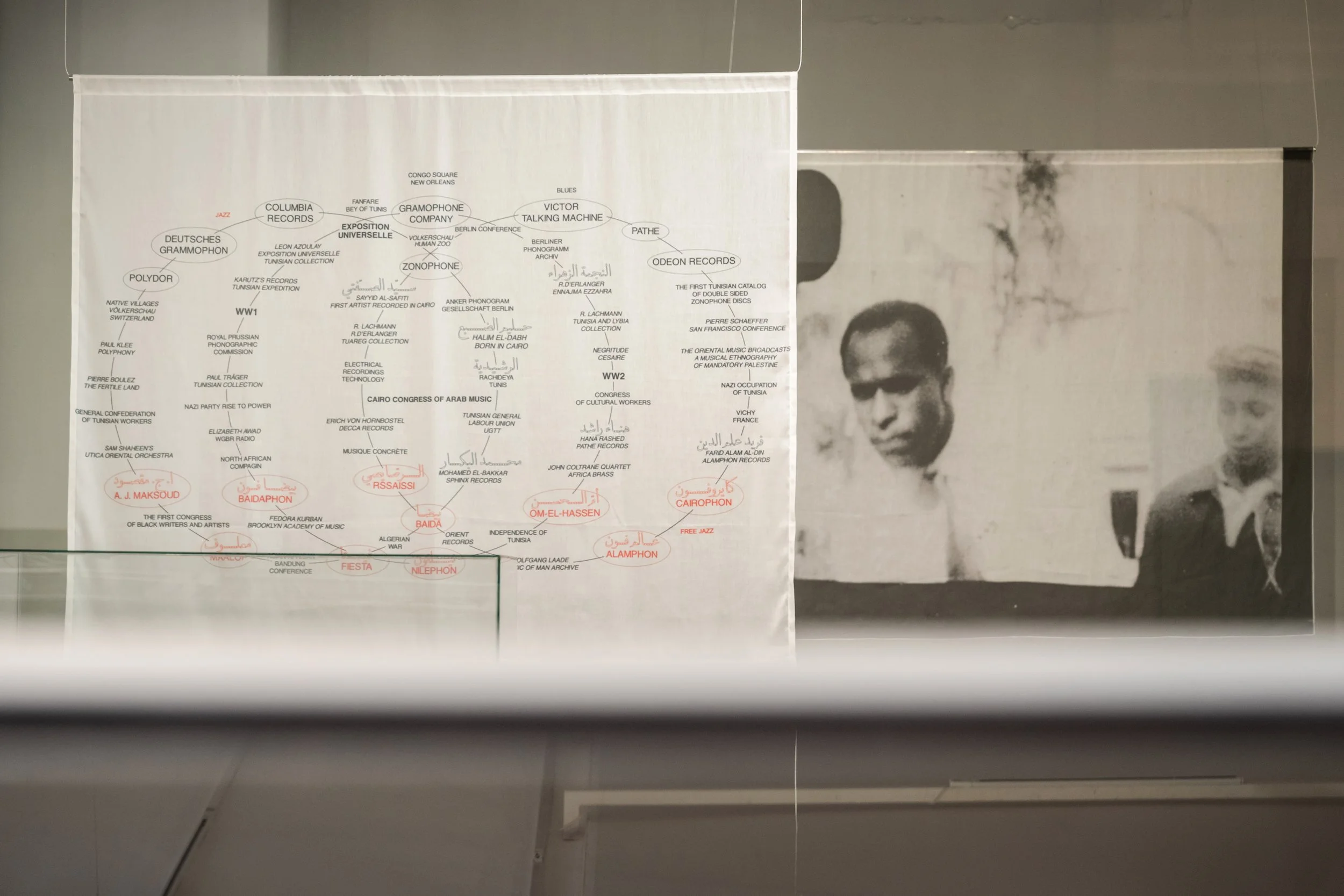
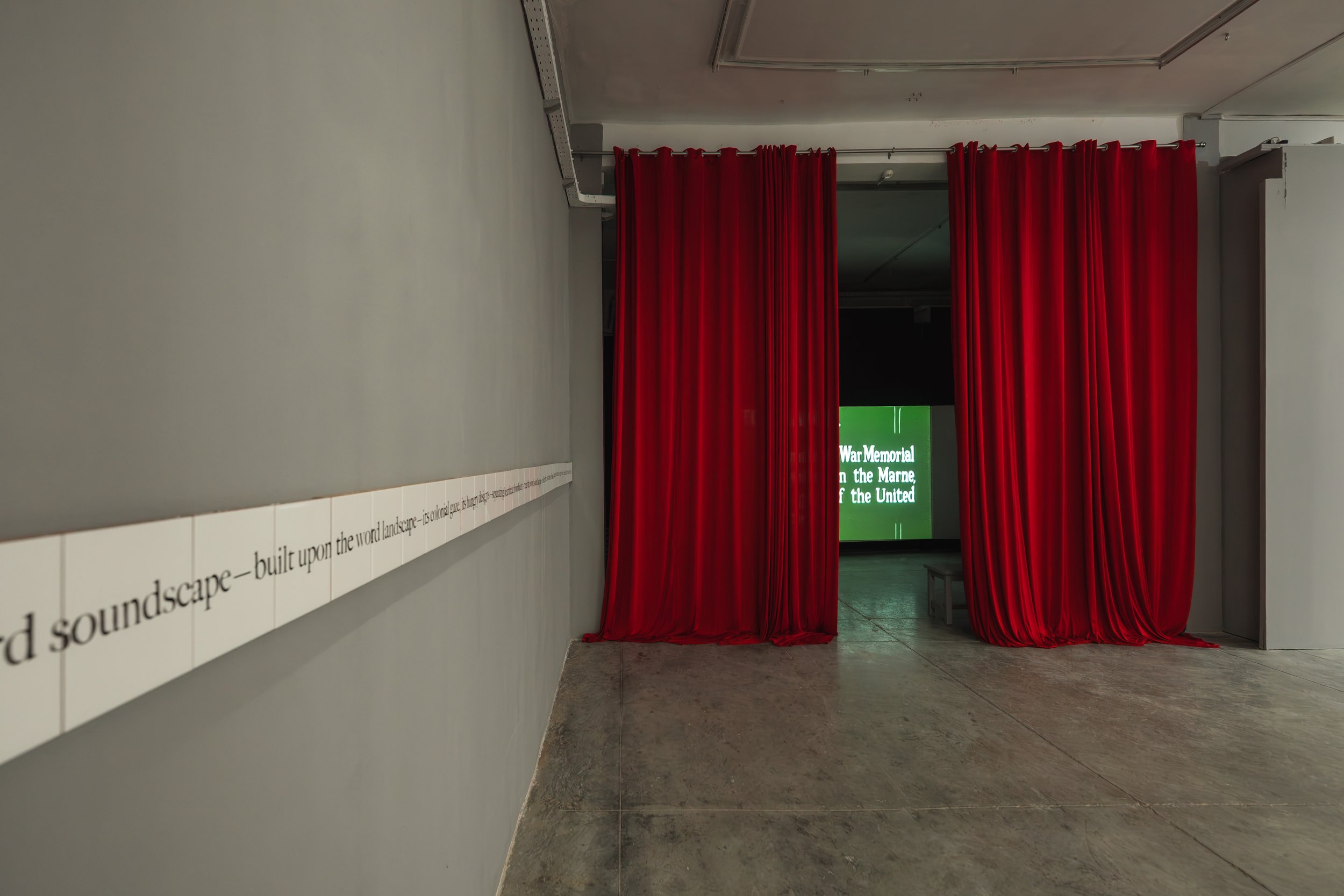
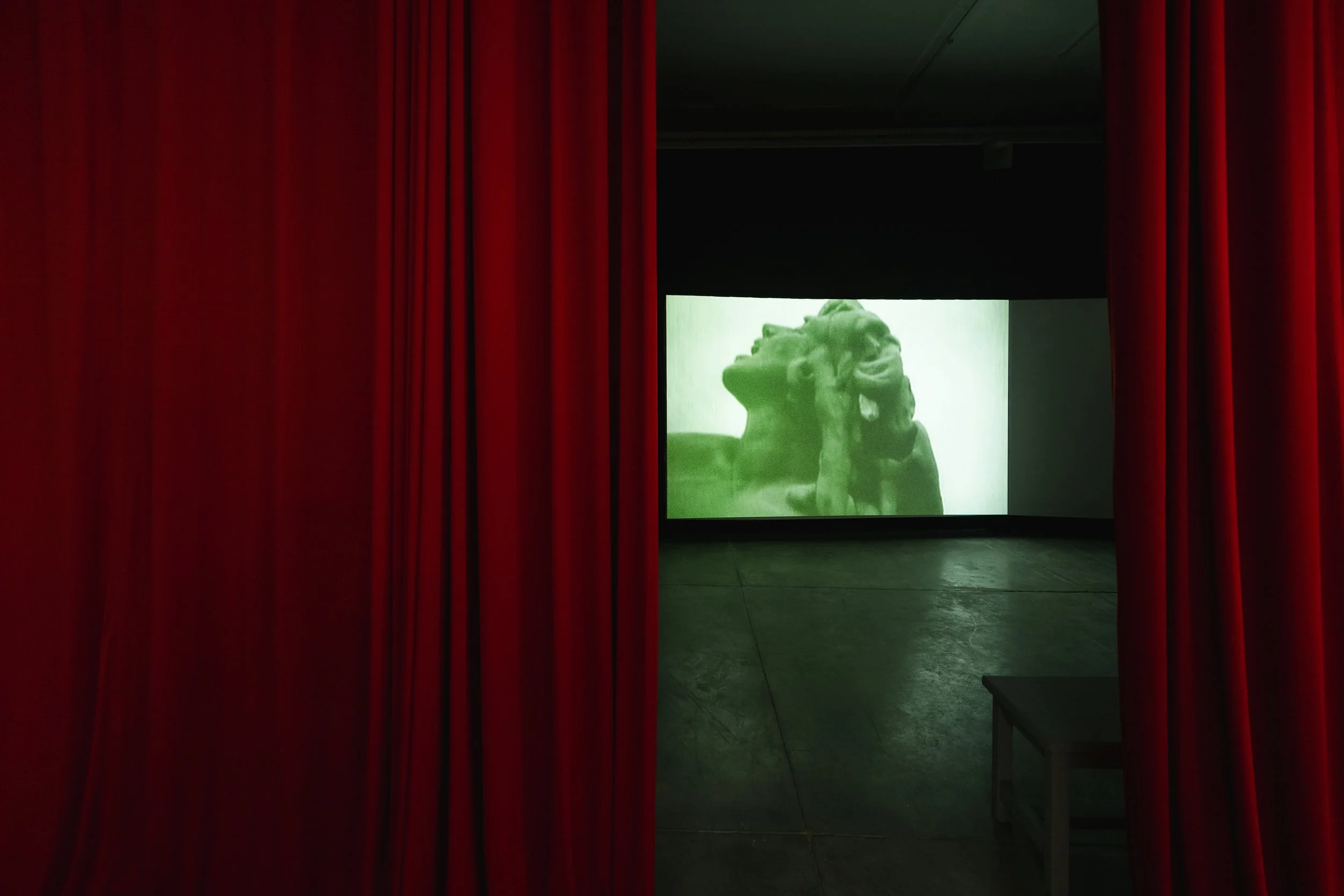
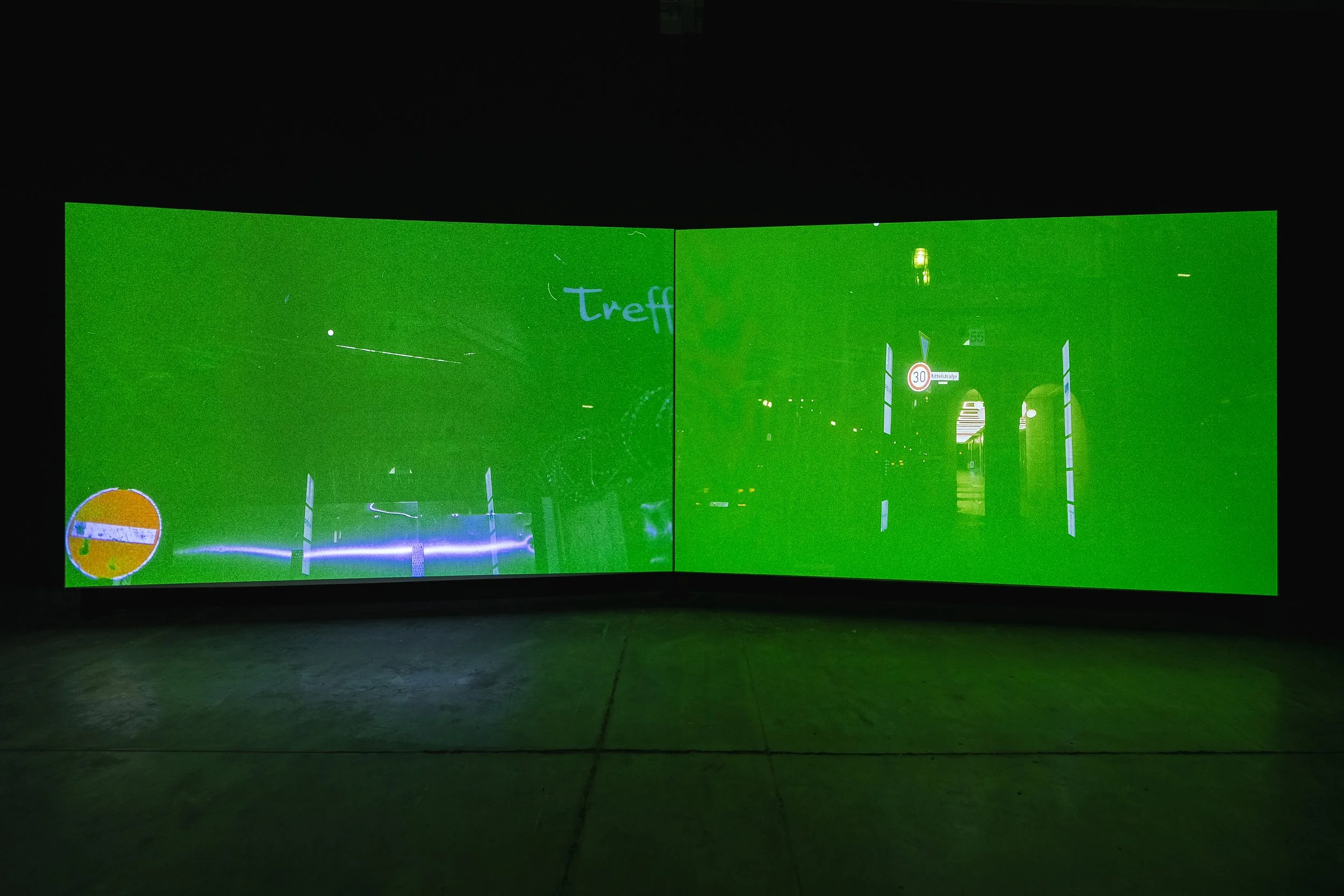
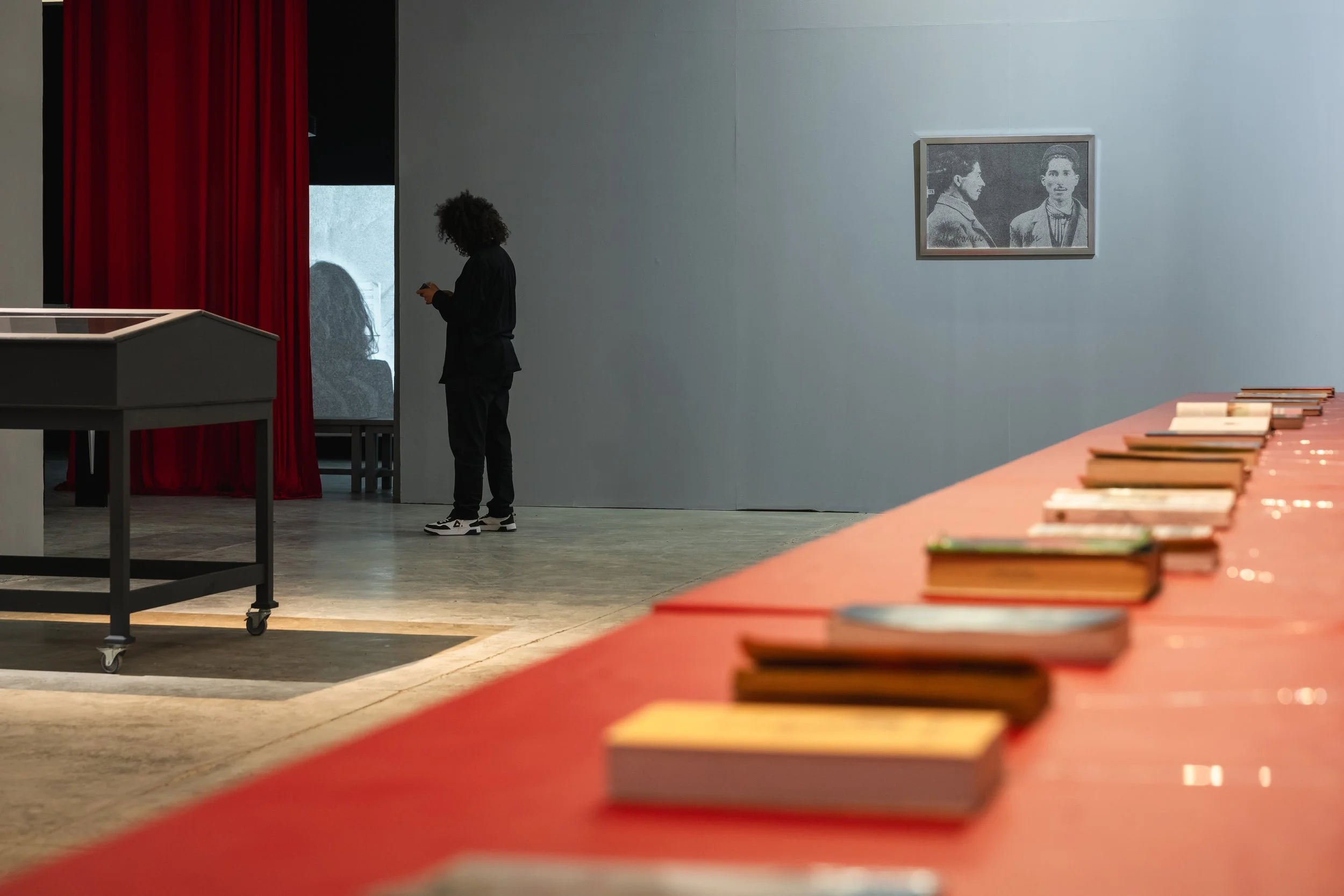
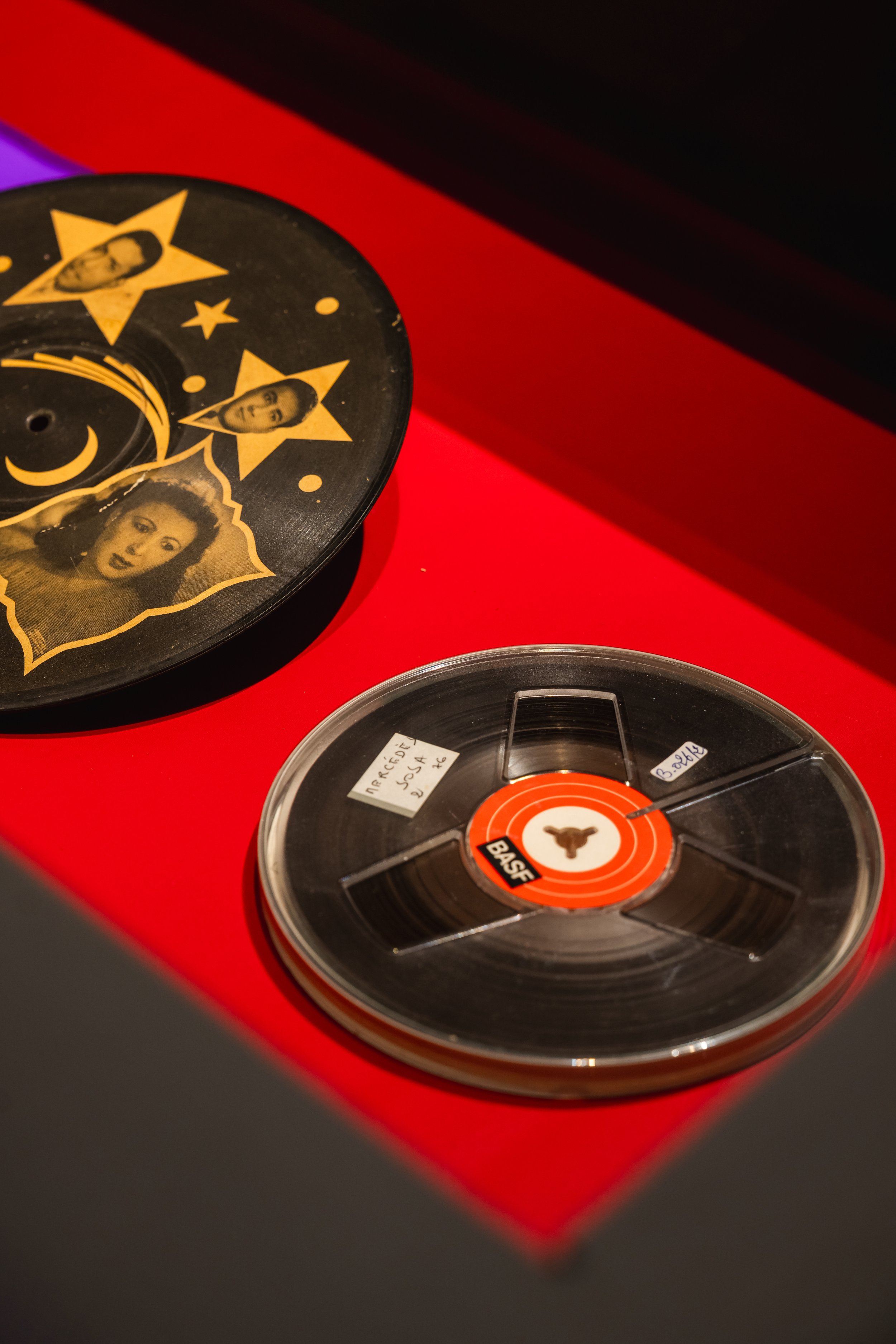
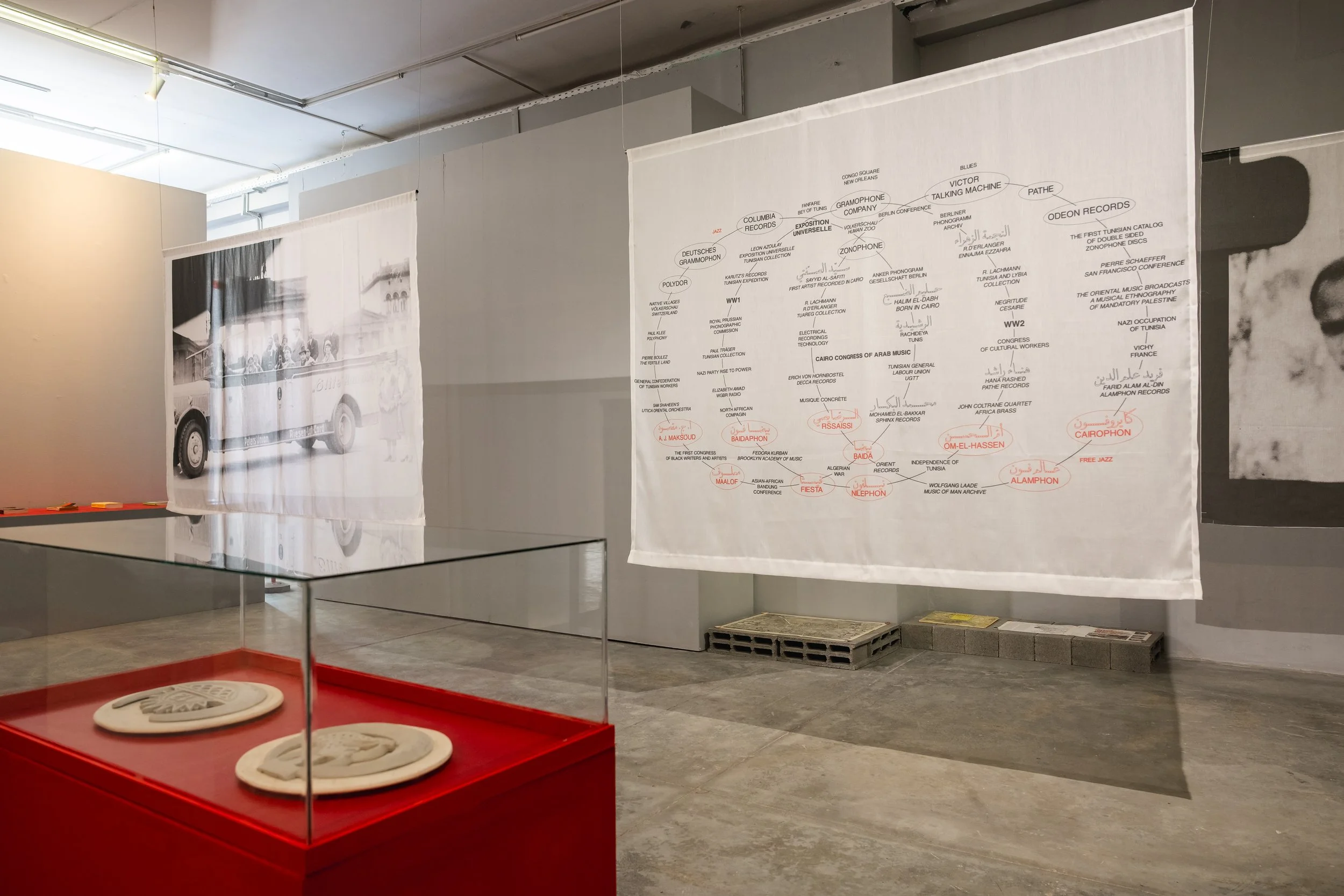

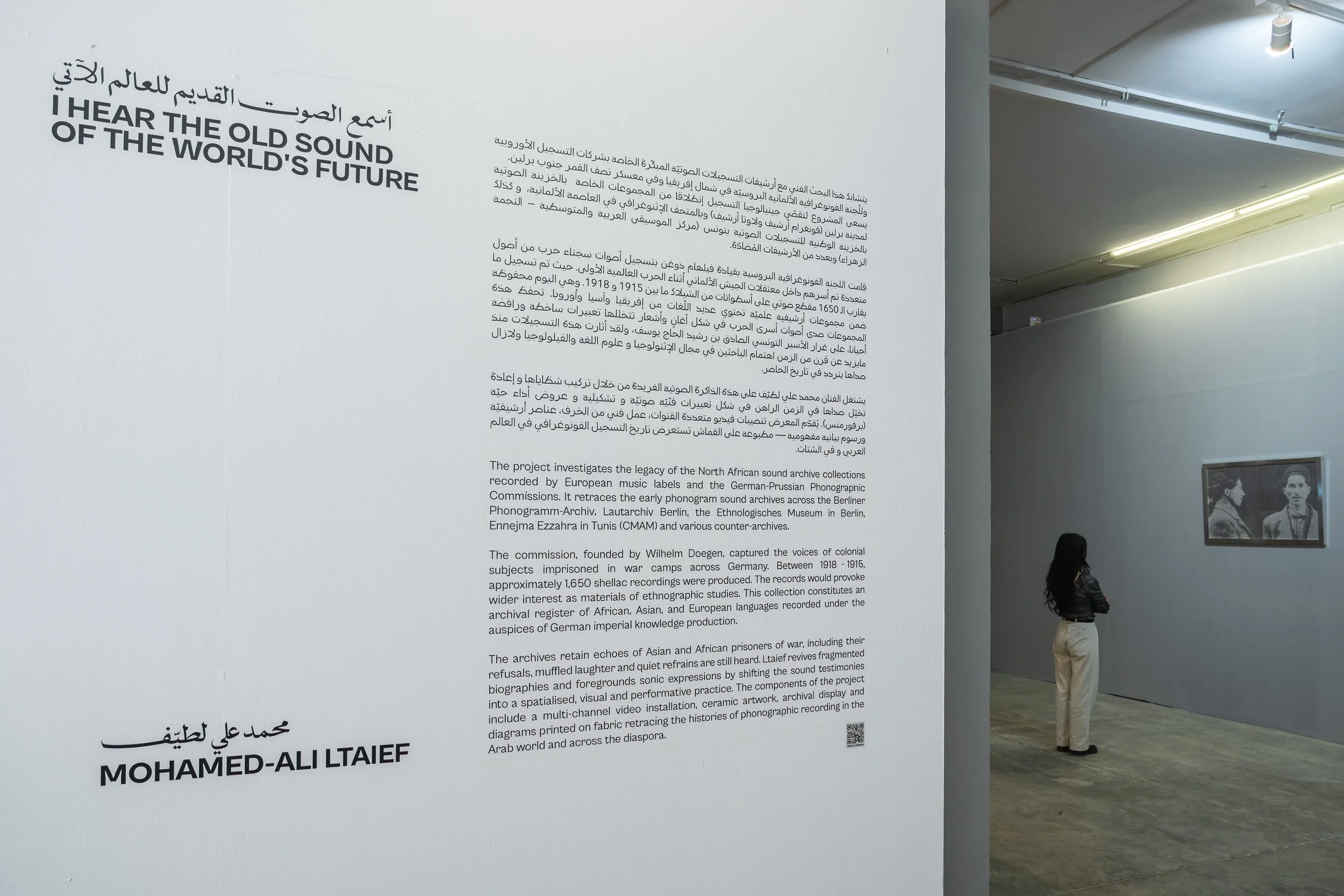
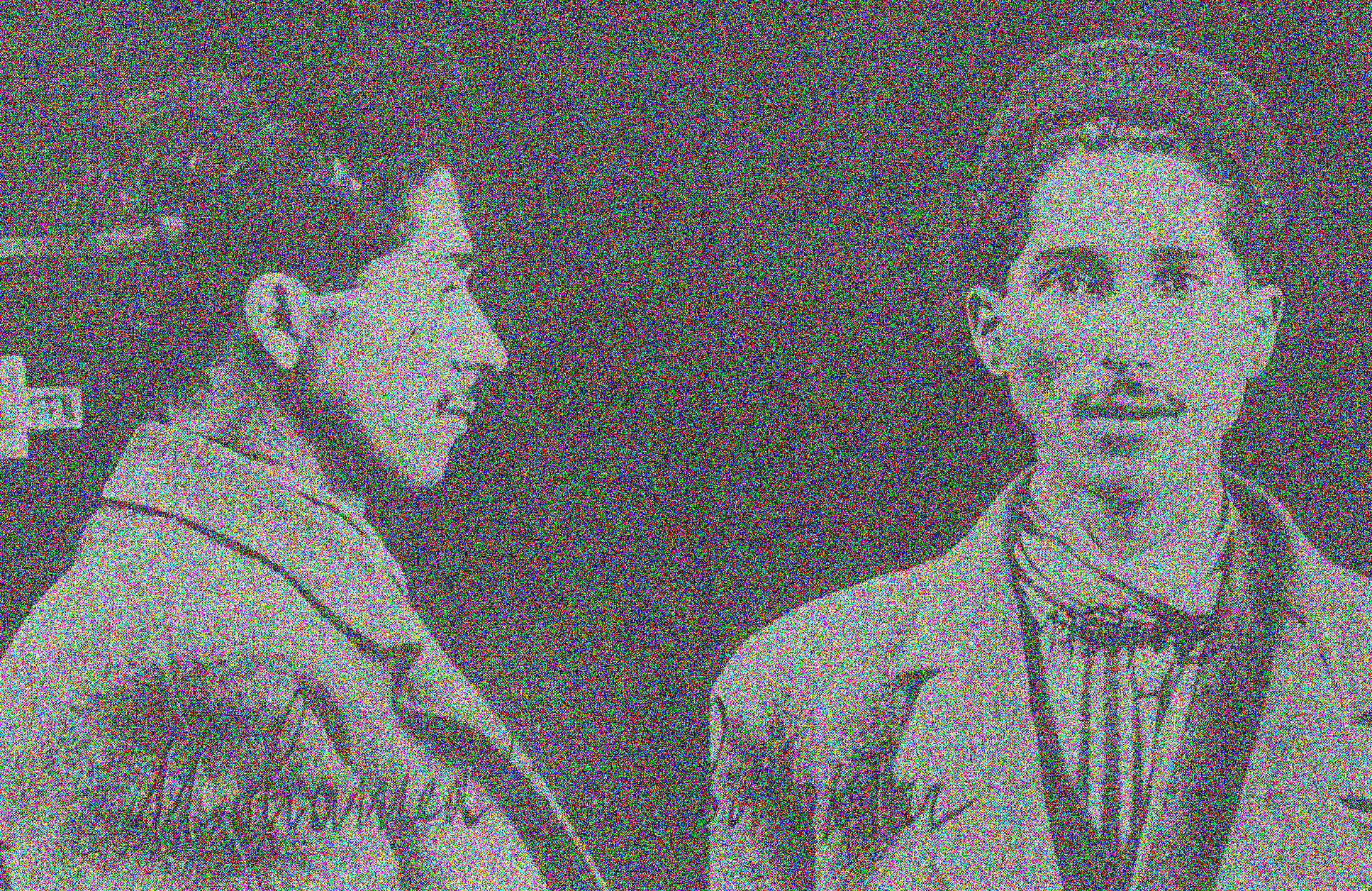
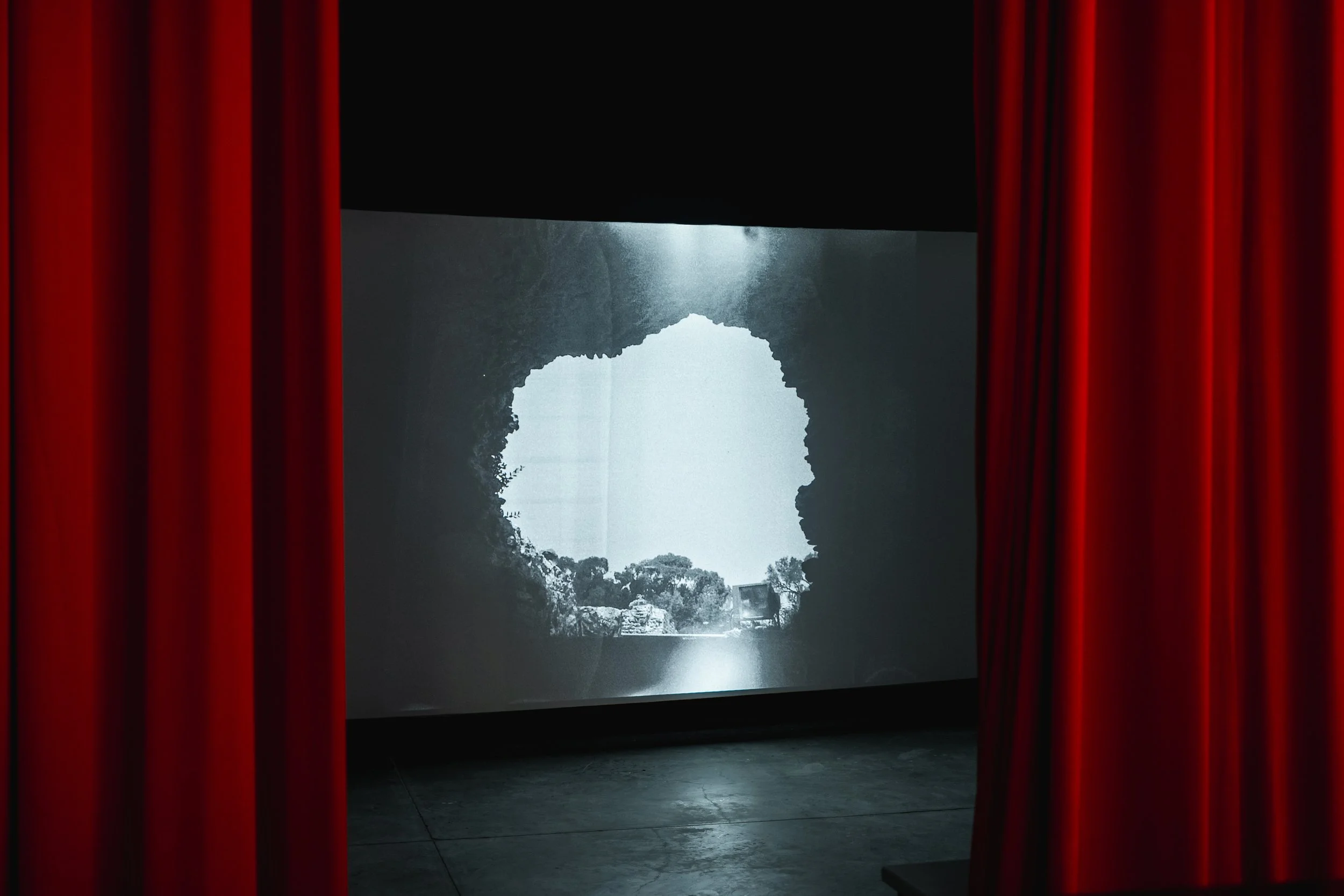
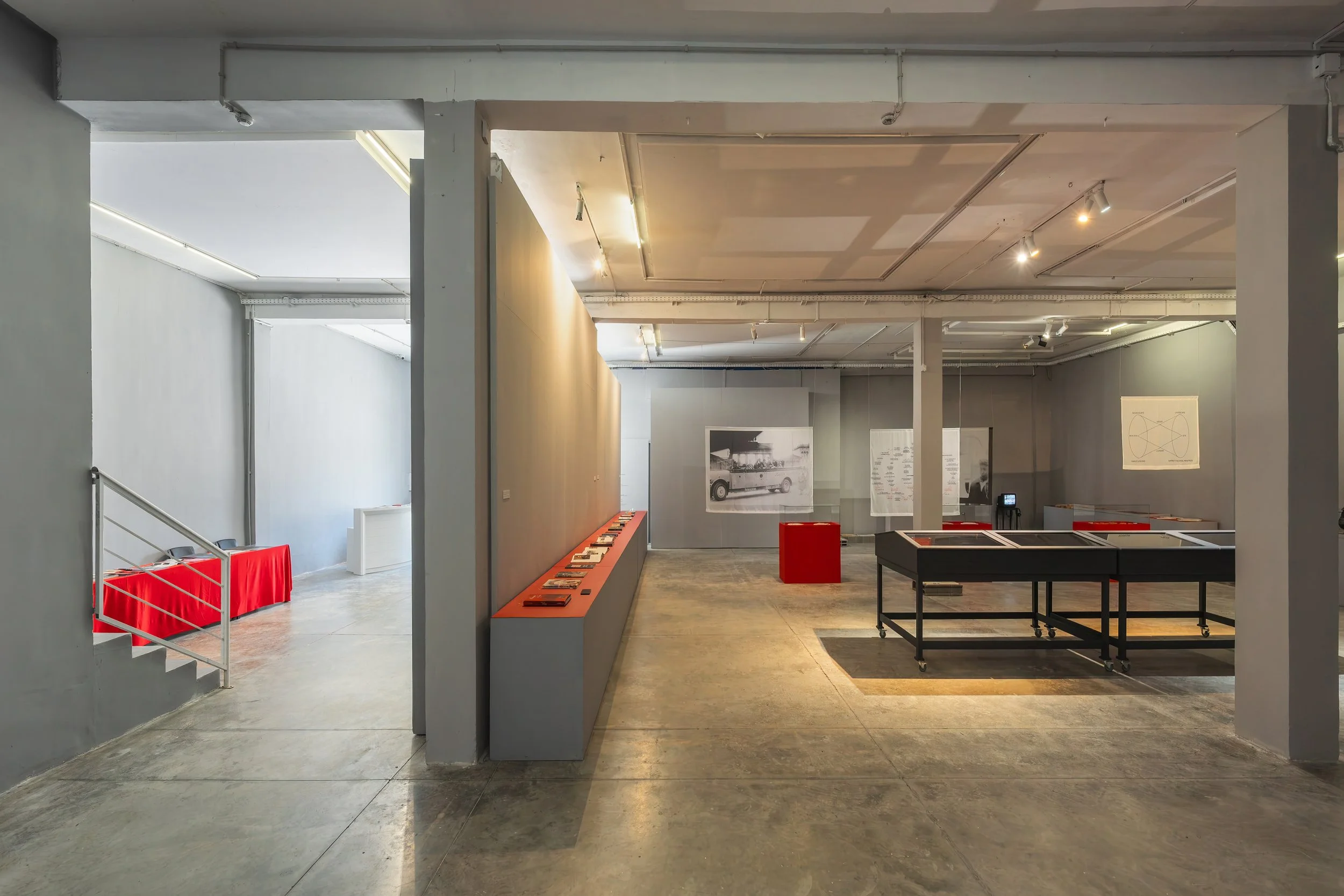
I Hear the Old Sound of The World’s Future, at b7l9 Art Centre, Tunis. Photographs Mehdi Ben Temessek
rain turns snow blue gray
and it reflects the carpet
as the grass shines under.
nothing without the sound
wont show me things
I need to hear you
but i just see the flatness
of these little hills. they roll
but no trill no jimmy lyons
so I write Bill. I shoulda called.
I build the institutions but
for someone else’s spacing.
Fred Moten - differences without opposition
This research project examines the legacy of a North
African sound archive comprised of recordings made by
European music labels such as Gramophone, Polydor,
Odeon and Pathé, as well as the German-Prussian
Phonographic Commission, during the first decade of
the 20th century. These recordings, which originate from
Germany and North Africa, are now scattered across
various archives, primarily the Berliner Phonogramm-Archiv
at the Ethnologisches Museum in Berlin, the Ennejma
Ezzahra in Tunis (CMAM) and different counter-archives.
In 1903, European companies such as British Gramophone
began recording in North Africa and in the Middle East.
This new, strange techné (the gramophone) was initially
regarded with suspicion by the best artists of the time, who
feared the dissemination of their art beyond their physical
and collective performance, and remained sceptical
about the quality of the recording and its limited duration.
Companies then only recorded ‘amateur‘ and ‘non-celebrity
voices‘. Later, European music labels began to establish
the hierarchies we know today: recording the big stars
first and then the anonymous voices. A western taxonomy
was established that, over time, influenced the perception
of art in Europe and in the colonies. European ventures
established a particular Western and ethnomusicological
ear for the music of the “Orient”. Gramophone began by
prospecting Constantinople and Cairo, and on April 1st,
1903, the first singers were recorded. The artists who
agreed to be recorded were the maestro Sayyid al-Saftî
and his colleague Nasr Hasanyn. As early as 1905, better-
quality—two-sided discs were distributed in North Africa, on
the initiative of the German company Odeon Records (from
Berlin), which thus, began its fruitful collaboration with the
great Alexandrian singer Salâma Higâzî (1917 -1852) and the
Rossignol d’Alger (Algeria).
Sadok was 37 years old when he stood in front of a horn
(voice recorder) at 1am in May 1916. It was the third
recording he'd made that day. First, he read three war
poems and then sang them. Sadok was one of the North
African French captives of the First World War. Originally
from Monastir, Tunisia, he was a farm labourer, poet and
singer and most likely a soldier in the North African forces
that France recruited. These forces were used in major
battles in Europe such as the Marne and Ypres, where
Sadok was captured by German soldiers and sent, along
with other prisoners of war, to Wünsdorf in Halbmond camp
(south of Berlin).
As many of these colonial subjects were Muslim, the
German Intelligence Office set up a separate war camp for
these soldiers. The half-moon lager (camp) was intended
to be an experimental laboratory for sound recording,
ethnological research and linguistic studies, as well
as a direct armature of the German Empire's jihadist
propaganda during World War I.
Sadok's sonic refusal–poem comes as an autobiographical
counter-narrative. It isan existential act of dismantling the
apparatus of capturefrom within the outgrowth of modern
European warfare.
These sound archives include prompt recordings made by
The Royal Prussian Phonographic Commission established
by Wilhelm Doegen, with a group of linguists, philologists
and ethnomusicologists. They seized the voices of colonial
subjects imprisoned in war camps across Germany,
producing approximately 1,650 shellac records between
1915 and 1918. These sound collections were invented and
classified under the violence of European colonialism.
The invention of the phonograph in the West was of
immediate interest to the scientific community; ethnology
and emerging sub-disciplines alike saw its potential as a
research tool. As the field of musical ethnology began to
take shape, researchers organised scientific expeditions
and made recordings both locally and worldwide – a
process deeply entangled with the broader context of
European imperial expansion. By 1922, the Lautarchiv
Berlin had collected over 10,000 cylinders.